
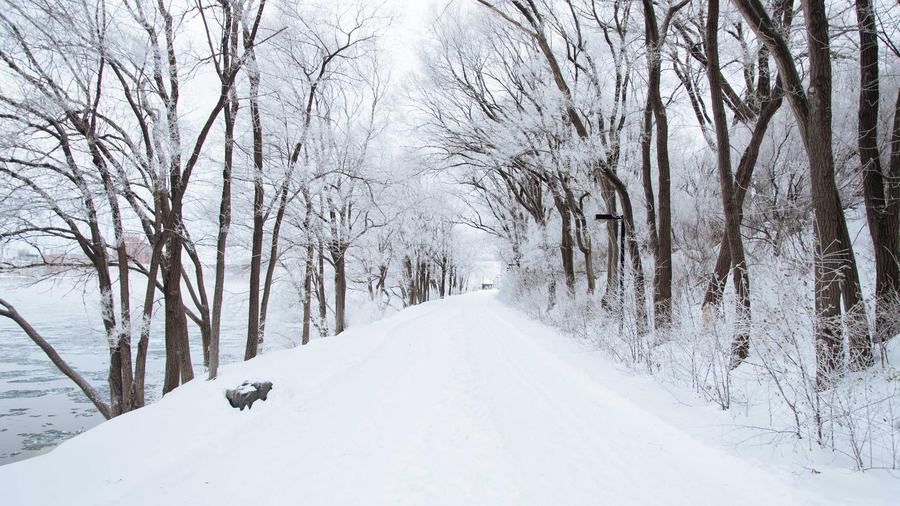
Marchetti's videos barely move. A shadow lengthens; light shifts by a degree. The drama, such as it is, belongs entirely to your own attention learning to notice — which is a strange thing for a film to hand over to its audience, and the reason the work is worth arguing about.
Against the cut
Editing is how film manages your attention. What happens when it stops?
Where most moving image accelerates, Marchetti decelerates until the ordinary turns strange. The discipline is closer to looking at a painting than to watching a film: there is no next shot to wait for, so the only available event is a change in you.
This is not an absence of editing so much as a refusal of its usual job. The cut, in conventional cinema, is a promise that something better is coming. Remove the promise and the present tense becomes unavoidable.
The eye learning to doubt
What the work is actually training.
By the eighth minute you begin to distrust the first minute. Was the light always like that? Did the shadow move, or did you? The doubt is the work's real subject, and it does not stay in the gallery.

I slow the image until the eye begins to doubt what it knows.